
Blog
Pokémon Card Error Types Explained (What Collectors Should Know)
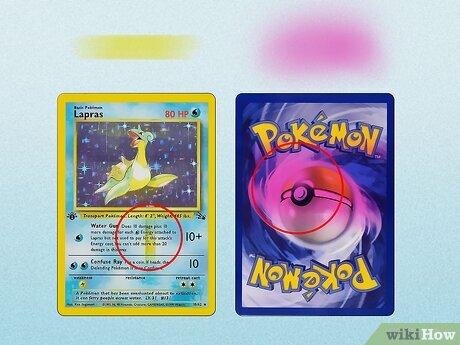
Pokémon card errors are one of the most fascinating—and misunderstood—areas of the hobby. While some errors are minor and purely cosmetic, others can significantly increase a card’s value and desirability among collectors.
In this guide, we explain the most common Pokémon card error types, how they happen, and which ones collectors actively seek in 2026.
What Is a Pokémon Card Error?
A Pokémon card error occurs when a card is produced incorrectly during the printing or cutting process. Unlike damage that happens after production, true errors originate at the factory and are part of the card’s original manufacturing history.
These cards are often:
- Unique or extremely limited
- Difficult to replicate
- Highly collectible in niche markets
1. Misprint Errors
What it is:
Printing mistakes involving ink, layout, or text.
Examples include:
- Missing or incorrect text
- Wrong energy symbols
- Incorrect HP values
- Spelling errors
Collector appeal:
Misprints with obvious visual differences are more desirable than subtle text errors.
2. Ink Errors (Dots, Blobs, Smears)
What it is:
Extra ink applied unintentionally during printing.
Examples include:
- Color dots
- Ink blobs
- Smears or streaks
Why collectors care:
Ink errors are often one-of-a-kind and highly visible, making them popular with error collectors.
3. Off-Center & Miscut Errors
What it is:
Cards that are improperly cut, resulting in shifted borders or visible parts of another card.
Examples include:
- Severely off-center borders
- Partial neighboring card visible
- Diagonal or uneven cuts
Value factor:
The more extreme the miscut, the more collectible the card tends to be.
4. Missing Ink / Missing Layer Errors
What it is:
One or more print layers are absent, creating washed-out or ghosted cards.
Examples include:
- Missing color layers
- Absent holofoil layer
- Faded or incomplete artwork
Collector appeal:
Missing-layer cards can appear dramatically different from standard prints.
5. Holofoil Errors
What it is:
Mistakes involving the holographic layer.
Examples include:
- Missing holofoil
- Holo bleed (foil extending beyond artwork)
- Double holo impressions
Why they matter:
Holofoil errors are especially popular because they affect premium cards.
6. Alignment Dot Errors
What it is:
Small colored dots visible on the card edges, used during the cutting process.
Why they’re collectible:
When clearly visible, alignment dots confirm a true factory miscut, increasing legitimacy and desirability.
7. Double Print & Ghosting Errors
What it is:
Artwork or text appears printed twice or faintly duplicated.
Examples include:
- Shadow images
- Blurred outlines
- Offset double text
Value factor:
These errors must be visually obvious to hold collector value.
8. Wrong Back Errors
What it is:
Cards printed with an incorrect card back.
Examples include:
- Upside-down backs
- Wrong language backs
- Incorrect era backs
Rarity:
These are among the rarest Pokémon card errors and highly prized.
9. Crimp & Packaging Errors
What it is:
Damage caused during factory packaging, not post-production.
Examples include:
- Crimped edges from sealing machines
- Factory folds
Important distinction:
Only factory-sealed crimping is considered a true error.
Are Error Cards Worth More?
Not all errors increase value. Key value drivers include:
- Visibility of the error
- Rarity and uniqueness
- Card popularity
- Grading and authentication
- Demand among error collectors
Minor print flaws often reduce value, while clear, dramatic errors can increase it significantly.
Should You Grade Error Cards?
Yes—when appropriate.
Grading:
- Confirms authenticity
- Protects the card
- Adds legitimacy to the error
- Improves resale confidence
Grading companies often label the specific error type on the slab.
Final Thoughts
Pokémon card errors add a fascinating layer to collecting. They represent accidents of history, turning ordinary cards into unique collectibles.
As awareness grows in 2026, well-documented and visually striking error cards continue to gain traction among serious collectors. Understanding error types helps you spot opportunities—and avoid mistaking damage for value.
Related Posts
How Do I Tell If a Pokémon Card Is Real or Fake? A Collector’s Authentication Guide
-
Posted by
pokemoncardvault
Learn how to tell if a Pokémon card is real or fake with this collector’s authentication guide. Discover key signs of counterfeit Pokémon cards.
Are Old Pokémon Cards Worth Money? What Collectors Need to Know
-
Posted by
Are old Pokémon cards worth money? Learn which vintage Pokémon cards have real value and what factors matter most.
What Does PSA 10 Mean? A Complete Guide for Pokémon Card Collectors
-
Posted by
What does PSA 10 mean? Learn why PSA 10 Gem Mint Pokémon cards are valuable and how grading impacts card prices.
What Does “First Edition” Mean on Pokémon Cards?
-
Posted by
What does “First Edition” mean on Pokémon cards? Learn how to identify first edition cards and when they’re actually worth more.

Why Is My Pokémon Card Not Worth Much? Common Reasons Explained
-
Posted by
Wondering why your Pokémon card isn’t worth much? Learn the real factors that affect Pokémon card value and how to spot cards with true potential.
What Is the Rarest Pokémon Card Ever? A Deep Dive into Pokémon’s Holy Grail
-
Posted by
Discover the rarest Pokémon card ever, why the Pikachu Illustrator is unmatched, and what truly defines rarity in Pokémon cards.

Event-Exclusive Pokémon Cards: Why These Limited Releases Matter to Collectors
-
Posted by
Discover event-exclusive Pokémon cards, why they’re rare, and how collectors value…
Tournament Prize Cards Guide: The Rarest Pokémon Cards Explained
-
Posted by
Learn what Pokémon tournament prize cards are, why they’re rare, and how collectors invest…
Avoiding FOMO in Pokémon Card Investing: How to Buy Smarter, Not Faster
-
Posted by
Learn how to avoid FOMO in Pokémon card investing. Discover smart strategies to…
Underrated Pokémon Cards in Our Vault (Hidden Gems Worth Collecting)
-
Posted by
Discover underrated Pokémon cards in our vault worth collecting. Learn about hidden…

Pokémon Cards That Surged in Value This Month (Market Watch)
-
Posted by
Discover which Pokémon cards surged in value this month, why prices moved…

Evolution of Pokémon Card Artwork: From Simple Designs to Collectible Masterpieces
-
Posted by
Explore the evolution of Pokémon card artwork, from early designs to modern…