
Blog
Is the Pokémon Card Market Cooling or Growing?
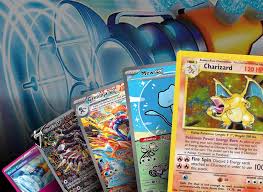
From nostalgic vintage chase pieces to modern alternate art sensations, the Pokémon card market has seen dramatic rises — and occasional corrections — over the past decade. As we move through 2026, many collectors and investors are asking:
Is the Pokémon card market cooling or still growing?
In this analysis, we’ll explore current trends, price movements, demand signals, and what industry indicators tell us about the future of Pokémon card values.
Understanding the Pokémon Card Market Cycle
Like all asset classes, the Pokémon card market experiences cycles influenced by:
- Supply and demand shifts
- Collector interest and generational trends
- New product releases
- Macro‑collectible market behaviors
- Graded card population and scarcity
To determine whether the market is cooling or growing, we look at price trends, sales volume, and long‑term demand drivers.
Growth Indicators in 2026
1. Continued Interest in Vintage Cards
Vintage Pokémon cards — especially graded Base Set holos, Japanese exclusives, and limited promos — remain sought after. Cards like 1st Edition Charizard, PSA 10 Neo Genesis Lugia, and rare Japanese vending series cards continue to trade strongly among collectors and investors.
This sustained interest suggests long‑term confidence in core collectible segments.
2. Modern Collectibles Maintain Demand
Modern releases — such as alternate art, secret rares, and gallery cards — still attract strong attention. Sets like Paldean Fates and Crown Zenith showcase vibrant artwork and pull rates that fuel collecting beyond nostalgia.
Newer collectors often enter the hobby through modern cards, which helps keep demand broad and multi‑generational.
3. Graded Card Market Strength
Graded cards (PSA, BGS, CGC) remain central to the market’s growth. High‑grade vintage and modern graded cards command premiums and continue to trade actively. Population reports showing limited high‑grade counts typically correlate with price resilience and appreciation.
Cooling Signals in Certain Segments
While overall interest remains strong, some areas of the market have shown signs of moderation:
1. Softening Prices on Oversupplied Modern Prints
Certain mass‑printed modern cards — especially non‑special variants — have experienced price corrections as supply catches up with demand. When mainstream popularity cools, these cards often stabilize or decline slightly.
This doesn’t mean the market is declining — just that supply and demand are balancing.
2. Short‑Term Corrections After Hype Peaks
As with any trend, quick spikes often lead to short‑term pullbacks. Cards that saw explosive growth due to social media hype or influencer attention may experience corrections once the initial frenzy subsides.
3. Broader Economic Factors
Collectors, like all investors, are influenced by the broader economy. When discretionary spending tightens, collectible markets — including Pokémon cards — can show slower transaction volume and muted price movement.
Key Market Signals Every Collector Should Watch
1. Graded Population Reports
A low number of high‑grade cards often signals increasing scarcity and future growth potential.
2. Sales Volume Trends
High sales volume in auction houses and marketplaces indicates ongoing demand.
3. New Collector Entry
An influx of new collectors, especially younger buyers, expands the long‑term market base.
4. Product Release Cycles
Smart collectors watch upcoming set announcements — including limited promos, anniversaries, and special editions — for potential demand impacts.
So, Is the Market Cooling or Growing?
The short answer:
The Pokémon card market is still growing overall, but it is becoming more mature, diversified, and segmented.
- Vintage and limited edition cards continue to appreciate steadily.
- Modern collectible demand endures, especially for rare and graded pieces.
- Some high‑supply modern prints are experiencing stabilization.
- Smart collectors are shifting focus toward quality, scarcity, and long‑term value.
In other words, the market isn’t experiencing a bubble burst — it’s evolving.
How Collectors Should Respond in 2026
If you’re building or managing a collection right now:
Focus on scarcity, not hype
Rare vintage, promotional, and low‑population cards consistently outperform.
Prioritize condition and grading
High‑grade cards maintain value better through market fluctuations.
Be patient and long‑term focused
Short‑term price swings are normal — long‑term trends matter more.
Diversify your collection
Mix vintage gems with select modern pieces to balance growth potential.
Final Thoughts
The Pokémon card market isn’t simply cooling — it’s shifting toward maturity. Strong interest in vintage and rare cards keeps long‑term demand healthy, while the modern side sees natural corrections as part of market stabilization.
Collectors who approach the market with research, patience, and strategic choices are well‑positioned to thrive in 2026 and beyond.
Related Posts
How Do I Tell If a Pokémon Card Is Real or Fake? A Collector’s Authentication Guide
-
Posted by
pokemoncardvault
Learn how to tell if a Pokémon card is real or fake with this collector’s authentication guide. Discover key signs of counterfeit Pokémon cards.
How Many Pokémon Cards Are There? A Complete Collector’s Guide
-
Posted by
How many Pokémon cards are there? Discover how many Pokémon TCG cards exist, how sets expand yearly…

Are Old Pokémon Cards Worth Money? What Collectors Need to Know
-
Posted by
Are old Pokémon cards worth money? Learn which vintage Pokémon cards have real value and what factors matter most.
What Does “First Edition” Mean on Pokémon Cards?
-
Posted by
What does “First Edition” mean on Pokémon cards? Learn how to identify first edition cards and when they’re actually worth more.

Why Is My Pokémon Card Not Worth Much? Common Reasons Explained
-
Posted by
Wondering why your Pokémon card isn’t worth much? Learn the real factors that affect Pokémon card value and how to spot cards with true potential.
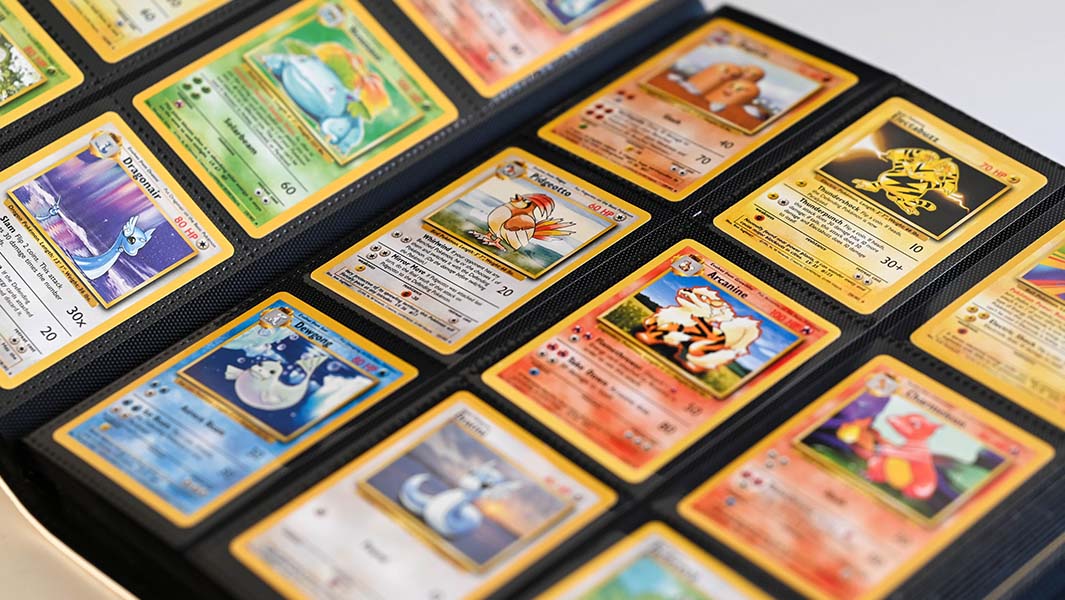
What Is the Rarest Pokémon Card Ever? A Deep Dive into Pokémon’s Holy Grail
-
Posted by
Discover the rarest Pokémon card ever, why the Pikachu Illustrator is unmatched, and what truly defines rarity in Pokémon cards.
How Much Is My Pokémon Card Worth? The Ultimate 2026 Guide
-
Posted by
Wondering how much your Pokémon card is worth? Learn how rarity, condition, set, and…

Event-Exclusive Pokémon Cards: Why These Limited Releases Matter to Collectors
-
Posted by
Discover event-exclusive Pokémon cards, why they’re rare, and how collectors value…
Tournament Prize Cards Guide: The Rarest Pokémon Cards Explained
-
Posted by
Learn what Pokémon tournament prize cards are, why they’re rare, and how collectors invest…
Avoiding FOMO in Pokémon Card Investing: How to Buy Smarter, Not Faster
-
Posted by
Learn how to avoid FOMO in Pokémon card investing. Discover smart strategies to…
Underrated Pokémon Cards in Our Vault (Hidden Gems Worth Collecting)
-
Posted by
Discover underrated Pokémon cards in our vault worth collecting. Learn about hidden…

Pokémon Cards That Surged in Value This Month (Market Watch)
-
Posted by
Discover which Pokémon cards surged in value this month, why prices moved…