
Blog
History of the Pokémon TCG: From 1996 to Today
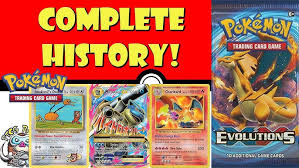
The Pokémon Trading Card Game (TCG) is more than a pastime, it’s a global phenomenon that has shaped generations of collectors, players, and investors. Since its debut in the 1990s, the Pokémon TCG has evolved from a simple card game into one of the most valuable and influential collectible markets in the world.
This article explores the complete history of the Pokémon TCG, highlighting key milestones, iconic sets, and how the game became a powerhouse in both pop culture and collectibles.
The Birth of the Pokémon TCG (1996)
The Pokémon Trading Card Game was first released in Japan in October 1996, following the explosive success of the Pokémon Red and Green video games.
Early characteristics included:
- Simple gameplay mechanics
- Iconic artwork
- Limited initial print runs
The earliest Japanese cards are now considered historic collectibles, forming the foundation of today’s high-value Pokémon card market.
Pokémon TCG Goes Global (1999)
In 1999, the Pokémon TCG launched internationally, starting with North America. The release of the Base Set introduced the world to legendary cards such as:
- Charizard
- Blastoise
- Venusaur
These early English-language cards quickly became cultural icons. Today, Base Set cards—especially in graded condition—are among the most sought-after Pokémon collectibles.
The Golden Era: WOTC Years (1999–2003)
Wizards of the Coast (WOTC) managed the Pokémon TCG during its early global expansion. This era introduced legendary sets including:
- Jungle
- Fossil
- Team Rocket
- Gym Heroes & Gym Challenge
This period is often referred to as the Golden Era due to its nostalgic appeal, lower print volumes, and strong collector demand.
Expansion and Innovation (2003–2010)
In 2003, The Pokémon Company took direct control of the TCG. This era introduced:
- EX cards
- Pokémon LV.X
- Improved artwork and mechanics
These innovations modernized the game while maintaining collector appeal. Many cards from this period are now being rediscovered by investors.
The Modern Era: EX, GX, V, and Beyond (2010–Present)
As Pokémon continued to evolve, so did the TCG:
- Mega EX and GX cards
- Pokémon V, VMAX, and VSTAR
- Alternate art secret rares
Modern sets often have higher print runs, but limited releases, promos, and sealed products continue to perform strongly in the market.
Pokémon TCG as a Collectible Investment
Today, Pokémon cards are recognized as a legitimate collectible asset class:
- Vintage cards achieve record-breaking auction prices
- Graded cards dominate high-end sales
- Sealed boxes from iconic sets appreciate steadily
The combination of nostalgia, rarity, and global fandom keeps the Pokémon TCG market active and growing.
Why the History of the Pokémon TCG Still Matters
Understanding the history of the Pokémon TCG helps collectors:
- Identify valuable vintage sets
- Recognize long-term trends
- Make smarter investment decisions
Every modern release is built on the legacy of earlier sets, making historical knowledge a powerful tool for today’s collectors.
Final Thoughts
From its humble beginnings in Japan to its status as a global collectible phenomenon, the Pokémon TCG has proven its lasting appeal. Whether you collect for nostalgia, play competitively, or invest strategically, the history of the Pokémon Trading Card Game provides essential context for understanding its value today.
Looking to own a piece of Pokémon TCG history? Explore collectible cards and sealed products at PokemonCardVault.com and start building a collection inspired by the most influential eras of the game.
Related Posts
How Do I Tell If a Pokémon Card Is Real or Fake? A Collector’s Authentication Guide
-
Posted by
pokemoncardvault
Learn how to tell if a Pokémon card is real or fake with this collector’s authentication guide. Discover key signs of counterfeit Pokémon cards.
Are Old Pokémon Cards Worth Money? What Collectors Need to Know
-
Posted by
Are old Pokémon cards worth money? Learn which vintage Pokémon cards have real value and what factors matter most.
What Does PSA 10 Mean? A Complete Guide for Pokémon Card Collectors
-
Posted by
What does PSA 10 mean? Learn why PSA 10 Gem Mint Pokémon cards are valuable and how grading impacts card prices.
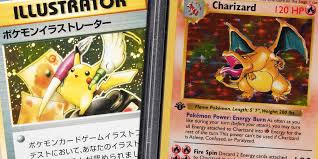
What Does “First Edition” Mean on Pokémon Cards?
-
Posted by
What does “First Edition” mean on Pokémon cards? Learn how to identify first edition cards and when they’re actually worth more.

Why Is My Pokémon Card Not Worth Much? Common Reasons Explained
-
Posted by
Wondering why your Pokémon card isn’t worth much? Learn the real factors that affect Pokémon card value and how to spot cards with true potential.
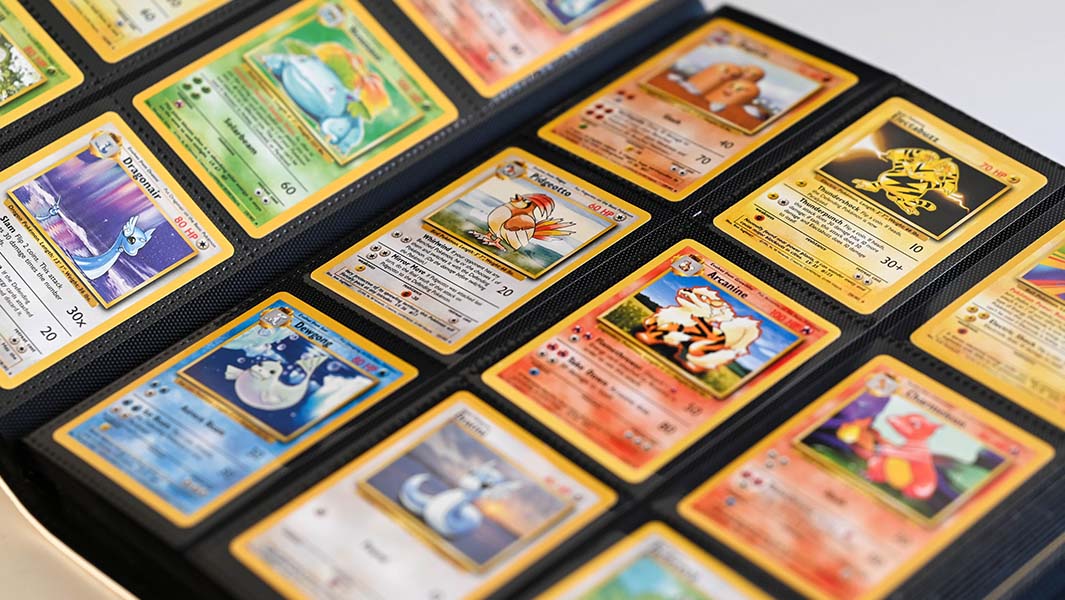
What Is the Rarest Pokémon Card Ever? A Deep Dive into Pokémon’s Holy Grail
-
Posted by
Discover the rarest Pokémon card ever, why the Pikachu Illustrator is unmatched, and what truly defines rarity in Pokémon cards.
How Much Is My Pokémon Card Worth? The Ultimate 2026 Guide
-
Posted by
Wondering how much your Pokémon card is worth? Learn how rarity, condition, set, and…

Event-Exclusive Pokémon Cards: Why These Limited Releases Matter to Collectors
-
Posted by
Discover event-exclusive Pokémon cards, why they’re rare, and how collectors value…
Tournament Prize Cards Guide: The Rarest Pokémon Cards Explained
-
Posted by
Learn what Pokémon tournament prize cards are, why they’re rare, and how collectors invest…
Avoiding FOMO in Pokémon Card Investing: How to Buy Smarter, Not Faster
-
Posted by
Learn how to avoid FOMO in Pokémon card investing. Discover smart strategies to…
Underrated Pokémon Cards in Our Vault (Hidden Gems Worth Collecting)
-
Posted by
Discover underrated Pokémon cards in our vault worth collecting. Learn about hidden…
Evolution of Pokémon Card Artwork: From Simple Designs to Collectible Masterpieces
-
Posted by
Explore the evolution of Pokémon card artwork, from early designs to modern…