
Blog
Why Is My Pokémon Card Not Worth Much? Common Reasons Explained
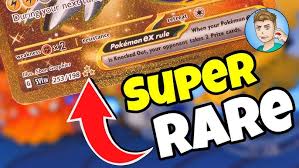
You’ve found an old Pokémon card, checked the character, maybe even remembered how popular it once was—so why is it worth only a few dollars (or less)?
This is one of the most common and frustrating questions in Pokémon card collecting. The short answer: not all Pokémon cards are valuable, even if they’re old, rare-looking, or feature popular Pokémon.
Let’s break down the real reasons your Pokémon card may not be worth much—and what actually does drive value.
1. Mass Production Kills Value
Most Pokémon cards were printed in huge quantities, especially during the late 1990s and early 2000s boom.
Even vintage cards can be inexpensive if:
- Millions of copies were printed
- The card came from a widely available set
- It was commonly pulled from booster packs
Scarcity matters more than age.
2. Condition Is Everything
Condition is one of the biggest value killers.
Small flaws can dramatically reduce a card’s worth:
- Whitening on edges
- Surface scratches
- Corner wear
- Bends or creases
A card that looks “fine” to the eye may grade low, and grading determines market price.
3. It’s Not Actually Rare
Many collectors assume:
- Holographic = rare
- First edition = valuable
- Old = expensive
Unfortunately, that’s not always true.
Some holo and first-edition cards were still printed in large numbers. True rarity comes from low population, not just design features.
4. Popular Pokémon ≠ Valuable Card
Just because a card features:
- Pikachu
- Charizard
- Mewtwo
doesn’t guarantee value.
Only specific versions, printings, and conditions of popular Pokémon command high prices. Common or damaged versions remain affordable.
5. High PSA Populations Reduce Value
When thousands of copies exist in graded form, prices stay lower.
Cards with:
- Large PSA 9 and PSA 10 populations
- Easy pull rates
- Modern availability
tend to hold modest value, even if they look impressive.
6. Modern Cards Haven’t Had Time to Mature
Many newer Pokémon cards haven’t reached their peak yet.
Value often takes time to develop, especially if:
- The set is still in circulation
- Reprints are likely
- Demand hasn’t stabilized
Some cards may increase long-term—but most won’t.
7. Emotional Value vs Market Value
One of the hardest truths in collecting:
- Nostalgia doesn’t equal cash value
A card can be priceless to you personally, but the market only cares about:
- Demand
- Condition
- Rarity
- Verified sales
That doesn’t make your card unimportant—it just means it’s not a high-value asset.
Can a Low-Value Card Ever Become Valuable?
Sometimes, but rarely.
Cards may increase in value if:
- The Pokémon gains new popularity
- The card becomes historically significant
- Supply dries up over time
- High-grade copies become scarce
However, most low-value cards remain low-value.
What Actually Makes a Pokémon Card Valuable?
High-value cards usually have:
- Limited print runs
- Tournament or event exclusivity
- Strong collector demand
- PSA 9 or PSA 10 grades
- Cultural or historical significance
Understanding this helps collectors avoid disappointment and make smarter purchases.
Final Thoughts
If your Pokémon card isn’t worth much, it’s not a mistake it’s simply how the market works. Pokémon collecting isn’t about every card being valuable; it’s about knowing which cards matter and why.
The more you understand the market, the better your collecting and investing decisions become.
Not sure which Pokémon cards are actually worth collecting? Explore professionally graded, authenticated cards at PokemonCardVault.com and build a collection with real long-term potential.
Related Posts
How Do I Tell If a Pokémon Card Is Real or Fake? A Collector’s Authentication Guide
-
Posted by
pokemoncardvault
Learn how to tell if a Pokémon card is real or fake with this collector’s authentication guide. Discover key signs of counterfeit Pokémon cards.
How Many Pokémon Cards Are There? A Complete Collector’s Guide
-
Posted by
How many Pokémon cards are there? Discover how many Pokémon TCG cards exist, how sets expand yearly…
What Does “First Edition” Mean on Pokémon Cards?
-
Posted by
What does “First Edition” mean on Pokémon cards? Learn how to identify first edition cards and when they’re actually worth more.
What Is the Rarest Pokémon Card Ever? A Deep Dive into Pokémon’s Holy Grail
-
Posted by
Discover the rarest Pokémon card ever, why the Pikachu Illustrator is unmatched, and what truly defines rarity in Pokémon cards.
How Much Is My Pokémon Card Worth? The Ultimate 2026 Guide
-
Posted by
Wondering how much your Pokémon card is worth? Learn how rarity, condition, set, and…

Event-Exclusive Pokémon Cards: Why These Limited Releases Matter to Collectors
-
Posted by
Discover event-exclusive Pokémon cards, why they’re rare, and how collectors value…
Tournament Prize Cards Guide: The Rarest Pokémon Cards Explained
-
Posted by
Learn what Pokémon tournament prize cards are, why they’re rare, and how collectors invest…
Avoiding FOMO in Pokémon Card Investing: How to Buy Smarter, Not Faster
-
Posted by
Learn how to avoid FOMO in Pokémon card investing. Discover smart strategies to…
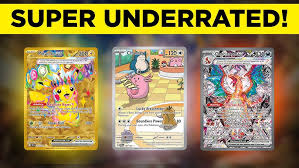
Underrated Pokémon Cards in Our Vault (Hidden Gems Worth Collecting)
-
Posted by
Discover underrated Pokémon cards in our vault worth collecting. Learn about hidden…

Pokémon Cards That Surged in Value This Month (Market Watch)
-
Posted by
Discover which Pokémon cards surged in value this month, why prices moved…
Evolution of Pokémon Card Artwork: From Simple Designs to Collectible Masterpieces
-
Posted by
Explore the evolution of Pokémon card artwork, from early designs to modern…
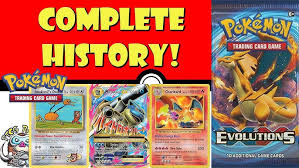
History of the Pokémon TCG: From 1996 to Today
-
Posted by
Discover the complete history of the Pokémon TCG, from its 1996 origins to…