
Blog
What Does “First Edition” Mean on Pokémon Cards?
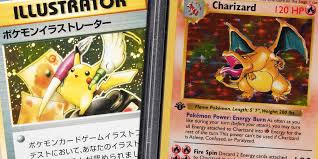
If you’ve ever looked closely at a Pokémon card and noticed a small “1st Edition” stamp, you might have wondered what it actually means—and whether it makes the card valuable.
The truth is: First Edition matters, but not always in the way people expect.
Let’s break down what “First Edition” really means, how to spot it, and when it actually increases a Pokémon card’s value.
What Is a First Edition Pokémon Card?
A First Edition Pokémon card comes from the very first print run of a Pokémon card set.
When a new set was originally released, Pokémon printed:
- First Edition cards (marked)
- Unlimited Edition cards (unmarked, printed later)
First Edition cards were produced in smaller quantities, making them generally more desirable to collectors.
How to Identify a First Edition Pokémon Card
Authentic First Edition cards feature a black “1st Edition” stamp on the left side of the card artwork.
Where to look:
- Just below the Pokémon image
- To the left of the artwork box
If the stamp is missing, the card is not First Edition—even if it’s old.
First Edition vs Unlimited Edition
| Feature | First Edition | Unlimited |
|---|---|---|
| Print Run | First, limited | Later, larger |
| Stamp | Yes | No |
| Collector Demand | Higher | Lower |
| Typical Value | Higher | Lower |
Same artwork. Same stats. Different scarcity.
Are All First Edition Pokémon Cards Valuable?
No—and this is a common misconception.
A First Edition card is only valuable if:
- The card itself is desirable
- It’s in strong condition
- There’s real collector demand
A First Edition common card in poor condition may still be worth very little.
Which First Edition Pokémon Cards Are Most Valuable?
The most valuable First Edition cards usually come from:
- Base Set (1999)
- Jungle
- Fossil
Especially:
- Holographic cards
- PSA 9 or PSA 10 graded copies
- Popular Pokémon like Charizard, Blastoise, and Venusaur
These early First Edition cards are considered cornerstones of Pokémon collecting.
Why First Edition Cards Command Higher Prices
Collectors value First Edition cards because:
- They represent Pokémon’s earliest history
- They were printed in limited quantities
- High-grade copies are increasingly scarce
- They carry prestige and nostalgia
For serious collectors, First Edition often equals long-term value.
Modern Pokémon Cards and First Edition
Modern Pokémon sets no longer use First Edition stamps.
Instead, scarcity is now driven by:
- Alternate art cards
- Secret rares
- Promo and event exclusives
- Limited print runs
That’s why First Edition is mostly relevant to vintage Pokémon cards.
Should You Buy First Edition Pokémon Cards?
First Edition cards can be a strong choice if:
- You’re collecting vintage Pokémon
- You want historically significant cards
- You’re buying graded copies for preservation
However, they’re not automatically better than modern chase cards—it depends on your collecting goals.
Final Thoughts
“First Edition” means a card came from Pokémon’s original print run, making it more collectible—but not instantly valuable.
Condition, demand, and rarity still matter most.
Looking for authentic, graded Pokémon cards you can trust? Explore our curated selection of verified Pokémon collectibles at PokemonCardVault.com.Understanding this distinction helps collectors avoid overpaying and build smarter, more meaningful collections.
Related Posts
How Many Pokémon Cards Are There? A Complete Collector’s Guide
-
Posted by
pokemoncardvault
How many Pokémon cards are there? Discover how many Pokémon TCG cards exist, how sets expand yearly…
Are Old Pokémon Cards Worth Money? What Collectors Need to Know
-
Posted by
Are old Pokémon cards worth money? Learn which vintage Pokémon cards have real value and what factors matter most.
What Does PSA 10 Mean? A Complete Guide for Pokémon Card Collectors
-
Posted by
What does PSA 10 mean? Learn why PSA 10 Gem Mint Pokémon cards are valuable and how grading impacts card prices.
Why Is My Pokémon Card Not Worth Much? Common Reasons Explained
-
Posted by
Wondering why your Pokémon card isn’t worth much? Learn the real factors that affect Pokémon card value and how to spot cards with true potential.
What Is the Rarest Pokémon Card Ever? A Deep Dive into Pokémon’s Holy Grail
-
Posted by
Discover the rarest Pokémon card ever, why the Pikachu Illustrator is unmatched, and what truly defines rarity in Pokémon cards.
How Much Is My Pokémon Card Worth? The Ultimate 2026 Guide
-
Posted by
Wondering how much your Pokémon card is worth? Learn how rarity, condition, set, and…

Event-Exclusive Pokémon Cards: Why These Limited Releases Matter to Collectors
-
Posted by
Discover event-exclusive Pokémon cards, why they’re rare, and how collectors value…
Tournament Prize Cards Guide: The Rarest Pokémon Cards Explained
-
Posted by
Learn what Pokémon tournament prize cards are, why they’re rare, and how collectors invest…
Avoiding FOMO in Pokémon Card Investing: How to Buy Smarter, Not Faster
-
Posted by
Learn how to avoid FOMO in Pokémon card investing. Discover smart strategies to…
Underrated Pokémon Cards in Our Vault (Hidden Gems Worth Collecting)
-
Posted by
Discover underrated Pokémon cards in our vault worth collecting. Learn about hidden…

Pokémon Cards That Surged in Value This Month (Market Watch)
-
Posted by
Discover which Pokémon cards surged in value this month, why prices moved…

History of the Pokémon TCG: From 1996 to Today
-
Posted by
Discover the complete history of the Pokémon TCG, from its 1996 origins to…