
Blog
Are Error Cards Worth Investing In? A Pokémon Collector’s Guide (2026)
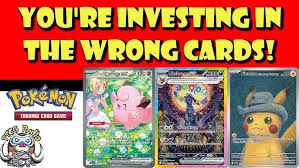
Pokémon error cards have long fascinated collectors. From off-center prints to missing holofoils, these unusual cards raise an important question for investors:
Are Pokémon error cards actually worth investing in?
In this guide, we’ll break down what error cards are, which types hold value, the risks involved, and whether they deserve a place in a serious Pokémon card investment strategy in 2026.
What Are Pokémon Error Cards?
Error cards are Pokémon cards that left the printing process with unintentional defects. Unlike intentionally released variants, these mistakes were not meant to reach the public.
Common Pokémon card error types include:
- Misaligned or off-center prints
- Missing or double holofoil layers
- Incorrect card backs
- Ink smears or color shifts
- Cropped or crimped edges
Not all errors are valuable—but some can be extremely rare and highly collectible.
Why Some Error Cards Are Valuable
1. True Rarity
Many error cards exist in very small quantities. Unlike standard cards that may have thousands of copies, a legitimate error may have only a handful of known examples.
Scarcity drives demand, especially among advanced collectors.
2. Collector Appeal
Error cards attract a niche but passionate segment of the Pokémon community. Collectors who already own standard versions of a card often seek error versions as unique additions to their collections.
3. Historical Significance
Some errors come from iconic sets such as:
- Base Set
- Jungle
- Fossil
- Neo Genesis
Errors from these sets combine vintage appeal with manufacturing anomalies, increasing long-term interest.
Types of Error Cards That Perform Best
Not all error cards are equal from an investment perspective.
High-Value Error Types:
- Major visual errors (missing holofoil, incorrect backs)
- Confirmed printing mistakes (not post-production damage)
- Graded error cards by PSA, CGC, or BGS
- Errors involving iconic Pokémon (Charizard, Pikachu, Mewtwo)
Lower-Value or Risky Errors:
- Minor off-centering
- Print lines
- Damage mistaken for errors
- Unverified or altered cards
💡 Rule of thumb: The more obvious and dramatic the error, the higher the potential value.
Risks of Investing in Error Cards
While error cards can be profitable, they come with unique risks.
1. Authentication Challenges
Some “errors” are actually:
- Damage
- Misprints caused after printing
- Altered cards
Without professional grading or expert verification, resale can be difficult.
2. Limited Buyer Pool
Error cards appeal to a niche audience. While rarity helps value, it can also slow resale if the right buyer isn’t available.
3. Market Volatility
Error card prices can fluctuate more than standard cards because:
- Fewer comparable sales exist
- Pricing is often subjective
Should Error Cards Be Part of Your Investment Strategy?
Error Cards Make Sense If:
- You already own a diversified Pokémon card portfolio
- You can authenticate and grade cards professionally
- You are comfortable with niche collectibles
- You plan to hold long-term
Error Cards May Not Be Ideal If:
- You are a beginner investor
- You prefer predictable price growth
- You rely on quick resale
For most investors, error cards work best as a supplementary investment, not the foundation of a collection.
How to Invest in Error Cards Smartly
- Buy graded error cards only whenever possible
- Research recent sales, not asking prices
- Focus on vintage sets and iconic Pokémon
- Document provenance and certification
- Store cards properly to preserve condition
Final Verdict: Are Error Cards Worth Investing In?
Yes—but selectively.
Pokémon error cards can be valuable, rare, and historically significant, but they require expertise, patience, and careful authentication. In 2026, the strongest error card investments are graded, visually dramatic, and tied to iconic sets or Pokémon.
Looking to build a smarter Pokémon card portfolio? Explore our curated selection of collectible and investment-grade cards at PokemonCardVault.com and stay ahead of the market.
Related Posts
How Many Pokémon Cards Are There? A Complete Collector’s Guide
-
Posted by
pokemoncardvault
How many Pokémon cards are there? Discover how many Pokémon TCG cards exist, how sets expand yearly…

Are Old Pokémon Cards Worth Money? What Collectors Need to Know
-
Posted by
Are old Pokémon cards worth money? Learn which vintage Pokémon cards have real value and what factors matter most.

What Does PSA 10 Mean? A Complete Guide for Pokémon Card Collectors
-
Posted by
What does PSA 10 mean? Learn why PSA 10 Gem Mint Pokémon cards are valuable and how grading impacts card prices.
What Does “First Edition” Mean on Pokémon Cards?
-
Posted by
What does “First Edition” mean on Pokémon cards? Learn how to identify first edition cards and when they’re actually worth more.

Why Is My Pokémon Card Not Worth Much? Common Reasons Explained
-
Posted by
Wondering why your Pokémon card isn’t worth much? Learn the real factors that affect Pokémon card value and how to spot cards with true potential.
What Is the Rarest Pokémon Card Ever? A Deep Dive into Pokémon’s Holy Grail
-
Posted by
Discover the rarest Pokémon card ever, why the Pikachu Illustrator is unmatched, and what truly defines rarity in Pokémon cards.
How Much Is My Pokémon Card Worth? The Ultimate 2026 Guide
-
Posted by
Wondering how much your Pokémon card is worth? Learn how rarity, condition, set, and…

Event-Exclusive Pokémon Cards: Why These Limited Releases Matter to Collectors
-
Posted by
Discover event-exclusive Pokémon cards, why they’re rare, and how collectors value…
Tournament Prize Cards Guide: The Rarest Pokémon Cards Explained
-
Posted by
Learn what Pokémon tournament prize cards are, why they’re rare, and how collectors invest…
Avoiding FOMO in Pokémon Card Investing: How to Buy Smarter, Not Faster
-
Posted by
Learn how to avoid FOMO in Pokémon card investing. Discover smart strategies to…
Underrated Pokémon Cards in Our Vault (Hidden Gems Worth Collecting)
-
Posted by
Discover underrated Pokémon cards in our vault worth collecting. Learn about hidden…

Pokémon Cards That Surged in Value This Month (Market Watch)
-
Posted by
Discover which Pokémon cards surged in value this month, why prices moved…