
Blog
Evolution of Pokémon Card Artwork: From Simple Designs to Collectible Masterpieces
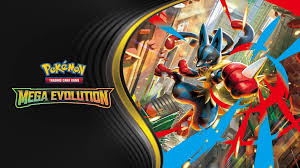
One of the most compelling reasons Pokémon cards remain popular decades after their debut is their artwork. From simple illustrations in the 1990s to today’s cinematic alternate arts, Pokémon card artwork has evolved into a true collectible art form.
In this article, we explore the evolution of Pokémon card artwork, how artistic styles have changed over time, and why artwork now plays a major role in card value and collectibility.
The Early Years: Simple and Iconic (1996–1999)
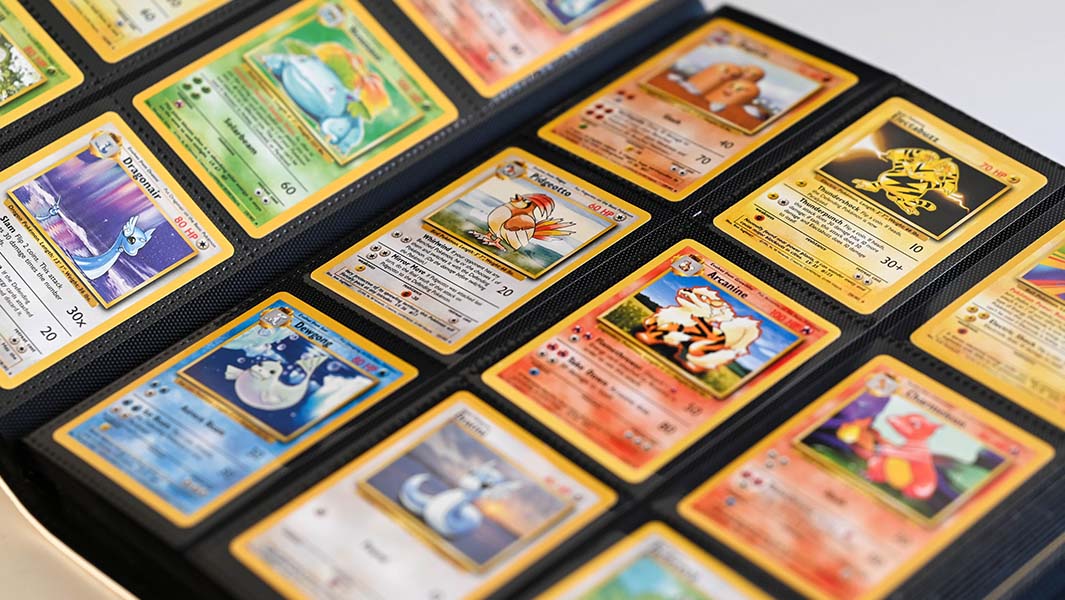
The earliest Pokémon cards featured minimalist artwork. Artists focused on:
- Clear character representation
- Flat backgrounds
- Bold colors
Cards like Base Set Charizard, Blastoise, and Pikachu weren’t flashy, but their simplicity helped define Pokémon’s visual identity. Today, these early artworks are prized for their nostalgia and historical importance.
The Golden Era: Dynamic Poses and Storytelling (1999–2003)
During the Wizards of the Coast era, Pokémon card artwork became more expressive:
- Action-oriented poses
- Environmental backgrounds
- Stronger character emotion
Sets such as Jungle, Fossil, and Team Rocket began telling visual stories through art. This era laid the foundation for Pokémon cards as art collectibles, not just game pieces.
Artistic Expansion: EX and LV.X Era (2003–2010)
As The Pokémon Company took control of the TCG, artwork underwent a creative shift:
- More dramatic lighting
- Increased detail
- Larger card frames for powerful Pokémon
EX and LV.X cards felt more intense and premium, reflecting Pokémon’s growing global influence. Many cards from this era are now gaining renewed attention from collectors.
The Rise of Full Art Cards (2010–2016)
This era marked a major artistic breakthrough:
- Full-art Pokémon cards
- Textured foils
- Cleaner, more modern compositions
Full art trainers and Pokémon elevated the visual experience and became instant collector favorites. Artwork was no longer confined to a small illustration box—it dominated the entire card.
Modern Masterpieces: Alternate Arts & Illustration Rares (2017–Present)
Today’s Pokémon cards feature some of the most sophisticated artwork in TCG history:
- Hand-painted styles
- Cinematic scenes
- Story-driven alternate arts
Illustration Rares and Special Illustration Rares often depict Pokémon in everyday or dramatic settings, appealing to both collectors and art enthusiasts. These cards frequently outperform standard versions in the resale market.
Why Artwork Matters for Card Value
Artwork has become a key driver of Pokémon card prices:
- Unique art increases desirability
- Alternate art versions are often scarcer
- Emotionally resonant artwork attracts long-term collectors
Cards with standout artwork tend to hold value better, especially when paired with iconic Pokémon or limited releases.
Pokémon Cards as Art Collectibles
In recent years, Pokémon cards have crossed into the world of collectible art:
- Featured in exhibitions
- Displayed in protective cases
- Collected for aesthetics as much as rarity
This shift continues to expand the Pokémon card market beyond traditional TCG players.
Final Thoughts
The evolution of Pokémon card artwork reflects the growth of the franchise itself—from simple game illustrations to visually rich collectible masterpieces. As artistic quality continues to rise, artwork-driven cards are becoming some of the most desirable pieces in modern collections.
For collectors in 2026, understanding artwork evolution helps identify future classics before prices rise.
Looking to collect Pokémon cards with standout artwork? Explore visually stunning and collectible Pokémon cards available now at PokemonCardVault.com and build a collection that’s as beautiful as it is valuable.
Related Posts
How Do I Tell If a Pokémon Card Is Real or Fake? A Collector’s Authentication Guide
-
Posted by
pokemoncardvault
Learn how to tell if a Pokémon card is real or fake with this collector’s authentication guide. Discover key signs of counterfeit Pokémon cards.
What Does PSA 10 Mean? A Complete Guide for Pokémon Card Collectors
-
Posted by
What does PSA 10 mean? Learn why PSA 10 Gem Mint Pokémon cards are valuable and how grading impacts card prices.

Why Is My Pokémon Card Not Worth Much? Common Reasons Explained
-
Posted by
Wondering why your Pokémon card isn’t worth much? Learn the real factors that affect Pokémon card value and how to spot cards with true potential.
What Is the Rarest Pokémon Card Ever? A Deep Dive into Pokémon’s Holy Grail
-
Posted by
Discover the rarest Pokémon card ever, why the Pikachu Illustrator is unmatched, and what truly defines rarity in Pokémon cards.

Event-Exclusive Pokémon Cards: Why These Limited Releases Matter to Collectors
-
Posted by
Discover event-exclusive Pokémon cards, why they’re rare, and how collectors value…
Tournament Prize Cards Guide: The Rarest Pokémon Cards Explained
-
Posted by
Learn what Pokémon tournament prize cards are, why they’re rare, and how collectors invest…

Avoiding FOMO in Pokémon Card Investing: How to Buy Smarter, Not Faster
-
Posted by
Learn how to avoid FOMO in Pokémon card investing. Discover smart strategies to…
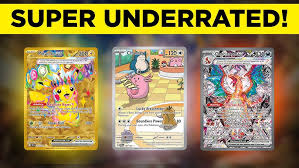
Underrated Pokémon Cards in Our Vault (Hidden Gems Worth Collecting)
-
Posted by
Discover underrated Pokémon cards in our vault worth collecting. Learn about hidden…

History of the Pokémon TCG: From 1996 to Today
-
Posted by
Discover the complete history of the Pokémon TCG, from its 1996 origins to…
Pokémon Card Price Predictions (What to Expect in 2026)
-
Posted by
Discover Pokémon card price predictions for 2026. Learn which vintage, limited edition…
Is the Pokémon Card Market Cooling or Growing?
-
Posted by
Explore whether the Pokémon card market is cooling or still growing in 2026. Analysis of…

How Much Is My Pokémon Card Worth? (2026 Collector’s Guide)
-
Posted by
Wondering how much your Pokémon card is worth? Learn how rarity, condition, edition…