
Blog
How Much Is My Pokémon Card Worth? (2026 Collector’s Guide)

If you’ve ever held a Pokémon card and wondered, “How much is this card worth?”, you’re not alone. With thousands of cards across decades, editions, and regions, the value of a card can vary dramatically depending on factors like rarity, condition, print, and market trends.
In this guide, we’ll show you how to accurately determine the value of your Pokémon cards, why prices fluctuate, and what collectors are paying for top-tier cards in 2026.
Why Pokémon Card Values Vary
Several factors influence the value of your card:
1. Card Rarity
- Common & Uncommon: Usually low-value unless highly sought after
- Rare & Holo Rare: Moderate to high value
- Ultra Rare, Promo, or Limited Editions: High to extreme value
Cards like Charizard, Lugia, and rare promos consistently command premium prices.
2. Card Condition
Condition is often the single most important factor in valuation. Grading services like PSA, BGS, and CGC assign scores based on:
- Centering
- Corners and edges
- Surface quality
- Overall wear
💡 Tip: Even a slight difference between PSA 9 and PSA 10 can dramatically affect the price.
3. Edition & Set
- First Edition vs Unlimited: First Edition cards are almost always more valuable
- Shadowless Cards: Especially Base Set Shadowless cards
- Special Sets or Japanese releases: Rare Japanese promotional cards can exceed English card values
Some sets are historically more sought after, like Base Set, Jungle, Fossil, Neo Genesis, and modern limited releases.
4. Popularity of the Pokémon
Iconic Pokémon like Charizard, Pikachu, and Eevee evolutions often outperform other cards regardless of rarity. Collector demand can spike due to:
- Media exposure (movies, anniversaries)
- Competitive play relevance
- Social media hype and collector trends
5. Market Trends
Pokémon card prices fluctuate due to:
- Supply and demand changes
- Graded card population reports
- Nostalgia waves
- New set releases affecting older card popularity
Checking sites like eBay completed listings, TCGPlayer, or PokemonCardVault.com gives you real-time insights.
How to Check the Value of Your Pokémon Card
- Identify the Card:
Look at set symbol, number, edition, and language. - Assess Condition:
Compare your card to PSA/BGS grading criteria. - Check Recent Sales:
Search marketplaces and auction results for the same card, edition, and condition. - Consider Rarity & Demand:
Factor in historical trends, iconic Pokémon, and limited edition status. - Get Professional Grading (Optional):
Slabbing your card can increase value and simplify resale.
Tools and Resources for Valuation
- PSA Price Guide – Official historical and current market data
- TCGPlayer Market – Real-time online marketplace
- eBay Sold Listings – Track actual sale prices
- PokemonCardVault.com – Verified inventory and price tracking
Pro Tips for Maximizing Your Card Value
- Keep your card in a penny sleeve + top loader until grading
- Avoid exposure to sunlight, humidity, and bending
- Track market trends regularly to sell at peak value
- Consider Japanese promos and limited editions—they often outperform English equivalents
Final Thoughts
Determining how much your Pokémon card is worth requires combining rarity, condition, edition, Pokémon popularity, and market insights. With careful assessment, you can maximize both the enjoyment and investment potential of your collection.
For collectors and investors, understanding value is the first step to building a profitable and prestigious Pokémon card collection.
Related Posts
How Do I Tell If a Pokémon Card Is Real or Fake? A Collector’s Authentication Guide
-
Posted by
pokemoncardvault
Learn how to tell if a Pokémon card is real or fake with this collector’s authentication guide. Discover key signs of counterfeit Pokémon cards.
Are Old Pokémon Cards Worth Money? What Collectors Need to Know
-
Posted by
Are old Pokémon cards worth money? Learn which vintage Pokémon cards have real value and what factors matter most.
What Does “First Edition” Mean on Pokémon Cards?
-
Posted by
What does “First Edition” mean on Pokémon cards? Learn how to identify first edition cards and when they’re actually worth more.
Why Is My Pokémon Card Not Worth Much? Common Reasons Explained
-
Posted by
Wondering why your Pokémon card isn’t worth much? Learn the real factors that affect Pokémon card value and how to spot cards with true potential.
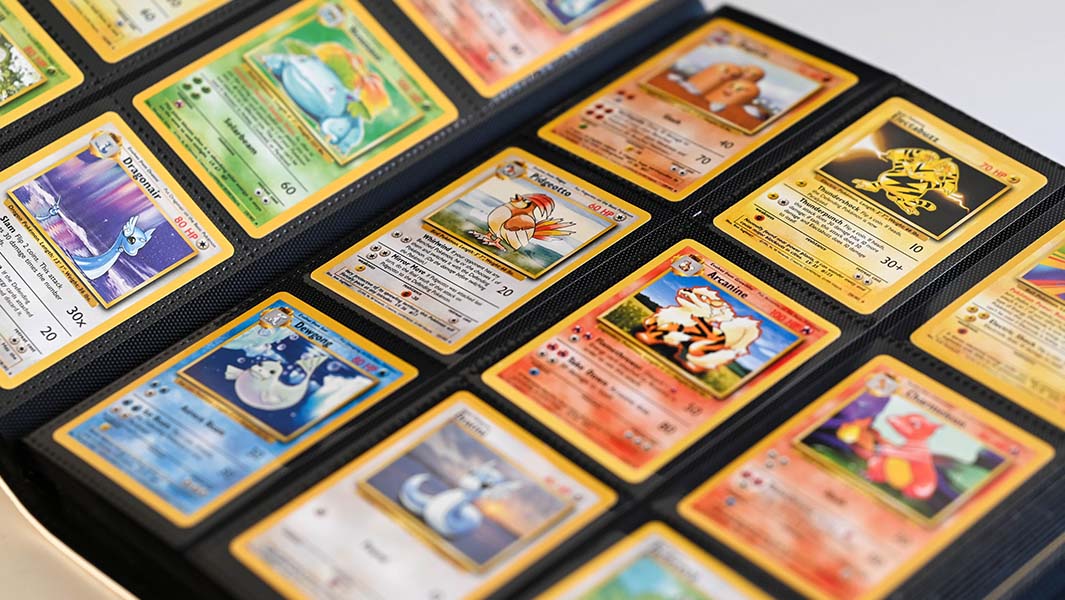
What Is the Rarest Pokémon Card Ever? A Deep Dive into Pokémon’s Holy Grail
-
Posted by
Discover the rarest Pokémon card ever, why the Pikachu Illustrator is unmatched, and what truly defines rarity in Pokémon cards.
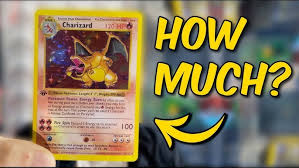
How Much Is My Pokémon Card Worth? The Ultimate 2026 Guide
-
Posted by
Wondering how much your Pokémon card is worth? Learn how rarity, condition, set, and…

Event-Exclusive Pokémon Cards: Why These Limited Releases Matter to Collectors
-
Posted by
Discover event-exclusive Pokémon cards, why they’re rare, and how collectors value…
Tournament Prize Cards Guide: The Rarest Pokémon Cards Explained
-
Posted by
Learn what Pokémon tournament prize cards are, why they’re rare, and how collectors invest…
Avoiding FOMO in Pokémon Card Investing: How to Buy Smarter, Not Faster
-
Posted by
Learn how to avoid FOMO in Pokémon card investing. Discover smart strategies to…
Underrated Pokémon Cards in Our Vault (Hidden Gems Worth Collecting)
-
Posted by
Discover underrated Pokémon cards in our vault worth collecting. Learn about hidden…

Pokémon Cards That Surged in Value This Month (Market Watch)
-
Posted by
Discover which Pokémon cards surged in value this month, why prices moved…

Evolution of Pokémon Card Artwork: From Simple Designs to Collectible Masterpieces
-
Posted by
Explore the evolution of Pokémon card artwork, from early designs to modern…