
Blog
Vintage vs Modern Pokémon Cards: Which Is the Better Investment?

Pokémon cards have exploded in popularity, not just as collectibles, but as long-term investments. Whether you’re a new collector or a seasoned investor, the question is clear: should you invest in vintage Pokémon cards or modern releases?
In this guide, we’ll break down the differences, risks, and potential rewards of vintage vs modern Pokémon cards, so you can make informed investment decisions in 2026.
What Are Vintage Pokémon Cards?
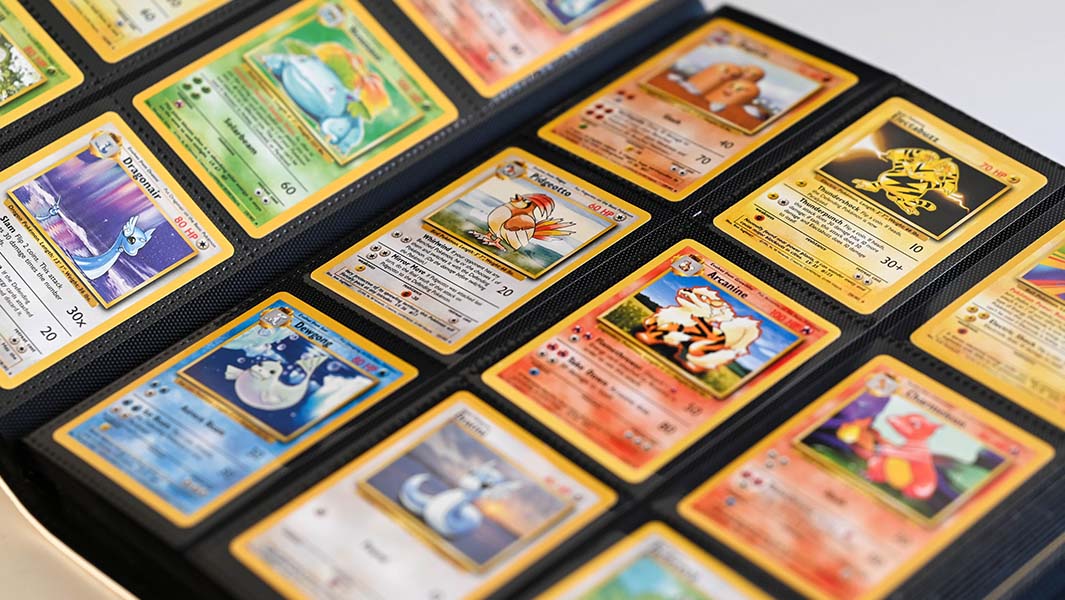
Vintage Pokémon cards are generally considered Base Set through Neo sets, including early promos and 1st Edition cards from the late 1990s and early 2000s.
Key Characteristics:
- Age: 1996–2002
- Scarcity: Many cards are out of print
- Nostalgia Factor: Appeals to collectors who grew up in the Pokémon boom
- Grading Impact: Condition heavily influences value
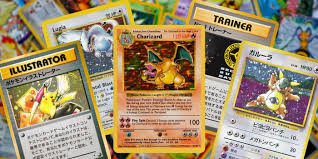
Examples of Vintage Cards:
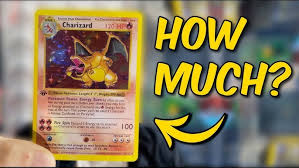
- 1st Edition Base Set Charizard
- Shadowless Blastoise
- Pikachu Illustrator Card
- Neo Genesis Lugia
Why They’re Valuable:
- Extremely limited supply
- Historical significance
- High demand from collectors and investors
What Are Modern Pokémon Cards?
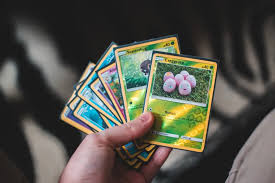
Modern Pokémon cards refer to recent sets released from the EX, XY, Sun & Moon, Sword & Shield, and Scarlet & Violet series. Modern cards include alternate art cards, full art trainers, and special promos.
Key Characteristics:
- Print Runs: Larger than vintage
- Condition: Easier to find mint condition cards
- Collectibility: Focused on aesthetics, gameplay, and special editions
- Grading: Graded modern cards are still highly valuable
Examples of Modern Cards:
- Shiny Charizard VMAX (2020–2026)
- Umbreon VMAX Alt Art
- Secret Rare Trainer cards
Why They’re Valuable:
- Limited edition modern promos and alternate art cards
- Growing interest in investment-worthy modern sets
- Strong resale value for sealed booster boxes
Investment Comparison: Vintage vs Modern Pokémon Cards
| Feature | Vintage Cards | Modern Cards |
|---|---|---|
| Scarcity | Extremely limited | More abundant, but some promos are rare |
| Initial Cost | High (especially 1st Edition) | Affordable, varies by set |
| Growth Potential | Historically proven | Strong potential for rare and graded modern cards |
| Grading Importance | Critical | Still important, especially for high-end variants |
| Appeal | Nostalgia collectors | Younger collectors, modern players |
| Liquidity | Easier to sell high-grade iconic cards | Trending modern cards can sell quickly, but riskier long-term |
Pros and Cons
Vintage Cards
Pros:
- Proven long-term appreciation
- Highly collectible and iconic
- Strong resale market for high-grade cards
Cons:
- High upfront cost
- Condition sensitive
- Scarcity makes finding good cards difficult
Modern Cards
Pros:
- More affordable entry point
- Easier to find mint or sealed condition cards
- Popular alternate art and secret rare cards drive demand
Cons:
- Value can be volatile
- Some sets may never appreciate much
- Large print runs reduce rarity
Tips for Investors in 2026
- Diversify: Hold a mix of vintage and modern cards to balance risk and reward.
- Focus on Graded Cards: PSA, CGC, and BGS grading adds credibility and value.
- Avoid Overhyped Hype Singles: Popularity spikes may not translate to long-term growth.
- Store Properly: Proper sleeves, top loaders, and climate control are essential.
- Research Market Trends: Use online marketplaces, forums, and auction results to track card prices.
Which Is the Better Investment?
There’s no one-size-fits-all answer — it depends on your budget, risk tolerance, and collecting goals.
- If you have a higher budget and want proven long-term growth: Vintage Pokémon cards are safer and historically more profitable.
- If you’re a newer collector or want to invest in trends: Modern Pokémon cards, especially alternate art or limited edition cards, offer strong potential with lower upfront cost.
💡 Many collectors in 2026 choose a balanced portfolio, holding a few high-grade vintage cards while supplementing with modern rare or graded cards.
Final Thoughts
Both vintage and modern Pokémon cards can be lucrative investments if approached wisely. By understanding the differences, risks, and growth potential, you can build a collection that’s enjoyable, valuable, and protected for years to come.
At Pokémon Card Vault, we offer authentic, graded, and investment-worthy Pokémon cards to help collectors and investors build a strong portfolio.
👉 Explore our vault today and start your Pokémon card investment journey with confidence.
Related Posts

How Do I Tell If a Pokémon Card Is Real or Fake? A Collector’s Authentication Guide
-
Posted by
pokemoncardvault
Learn how to tell if a Pokémon card is real or fake with this collector’s authentication guide. Discover key signs of counterfeit Pokémon cards.
How Many Pokémon Cards Are There? A Complete Collector’s Guide
-
Posted by
How many Pokémon cards are there? Discover how many Pokémon TCG cards exist, how sets expand yearly…

Are Old Pokémon Cards Worth Money? What Collectors Need to Know
-
Posted by
Are old Pokémon cards worth money? Learn which vintage Pokémon cards have real value and what factors matter most.
What Does PSA 10 Mean? A Complete Guide for Pokémon Card Collectors
-
Posted by
What does PSA 10 mean? Learn why PSA 10 Gem Mint Pokémon cards are valuable and how grading impacts card prices.

What Does “First Edition” Mean on Pokémon Cards?
-
Posted by
What does “First Edition” mean on Pokémon cards? Learn how to identify first edition cards and when they’re actually worth more.

Why Is My Pokémon Card Not Worth Much? Common Reasons Explained
-
Posted by
Wondering why your Pokémon card isn’t worth much? Learn the real factors that affect Pokémon card value and how to spot cards with true potential.
What Is the Rarest Pokémon Card Ever? A Deep Dive into Pokémon’s Holy Grail
-
Posted by
Discover the rarest Pokémon card ever, why the Pikachu Illustrator is unmatched, and what truly defines rarity in Pokémon cards.
How Much Is My Pokémon Card Worth? The Ultimate 2026 Guide
-
Posted by
Wondering how much your Pokémon card is worth? Learn how rarity, condition, set, and…

Event-Exclusive Pokémon Cards: Why These Limited Releases Matter to Collectors
-
Posted by
Discover event-exclusive Pokémon cards, why they’re rare, and how collectors value…

Tournament Prize Cards Guide: The Rarest Pokémon Cards Explained
-
Posted by
Learn what Pokémon tournament prize cards are, why they’re rare, and how collectors invest…
Avoiding FOMO in Pokémon Card Investing: How to Buy Smarter, Not Faster
-
Posted by
Learn how to avoid FOMO in Pokémon card investing. Discover smart strategies to…

Underrated Pokémon Cards in Our Vault (Hidden Gems Worth Collecting)
-
Posted by
Discover underrated Pokémon cards in our vault worth collecting. Learn about hidden…